From Idea to Takeoff: How to Plan Your Flight Without Stress or Overlooked Details


From Idea to Takeoff: How to Plan Your Flight Without Stress or Overlooked Details
A great trip starts long before you step onto the plane. From the first spark of inspiration to the moment you fasten your seatbelt, there are countless details to manage. With a bit of structure and foresight, you can avoid last-minute stress, save money, and make sure nothing slips through the cracks. Here’s a step-by-step guide to planning your flight—from idea to takeoff—without losing your cool.
Start With the Purpose—and Let It Guide Your Destination
Before you start browsing flight deals, take a moment to think about what you want from your trip. Are you looking for relaxation, adventure, culture, or a family visit? Your purpose will help narrow down the best destination and timing.
- Relaxation and sunshine: Consider beach destinations like Hawaii, Florida, or the Caribbean.
- City and culture: Explore cities such as New York, Chicago, or San Francisco for museums, food, and nightlife.
- Nature and adventure: National parks like Yellowstone, Yosemite, or the Grand Canyon offer breathtaking scenery and outdoor activities.
Once you’ve chosen your destination, you can start comparing flight routes, prices, and travel times.
Find the Right Time to Fly
Airfare can fluctuate dramatically depending on the season, day of the week, and even time of day. Keep these general rules in mind:
- Off-peak seasons (outside school holidays and major events) usually offer the best prices.
- Midweek departures—Tuesdays and Wednesdays—are often cheaper than weekend flights.
- Early morning or late-night flights can save money but may require extra planning for airport transportation.
Set up price alerts on travel sites or apps so you’ll be notified when fares drop. Flexibility with your dates can make a big difference—sometimes even a one-day shift can save hundreds of dollars.
Book Flights and Lodging Early
Once you’ve found the right flight, book both your airfare and accommodations as early as possible. It gives you peace of mind and better rates. Don’t forget to check:
- Baggage policies: Many budget airlines charge extra for checked bags or even carry-ons. Review size and weight limits to avoid surprise fees.
- Cancellation options: Choose flexible tickets or travel insurance if your plans might change.
- Airport transportation: Research how you’ll get from the airport to your hotel—public transit, rideshare, or shuttle.
Keep all your confirmations—flights, hotels, car rentals—in one folder or travel app so everything’s easy to find.
Passports, Visas, and Insurance—Handle the Essentials Early
It’s easy to overlook the formalities, but they can make or break your trip.
- Passport: Make sure it’s valid for at least six months beyond your return date, especially for international travel.
- Visas and entry requirements: Check the U.S. State Department website or your destination’s embassy for up-to-date information.
- Travel insurance: Confirm that your policy covers medical emergencies, cancellations, and lost luggage.
- Health requirements: Some destinations require vaccinations or health forms—check well in advance.
Create a checklist and mark off each item as you go. It’s a simple way to stay organized and avoid last-minute panic.
Pack Smart—Travel Light and Stay Organized
Packing doesn’t have to be stressful. With a little planning, you can make it efficient and worry-free.
- Start with a packing list: Include essentials like ID, tickets, medications, chargers, and credit cards.
- Think in layers: Choose versatile clothing that can be mixed and matched.
- Use packing cubes: They keep your suitcase tidy and make it easier to find things.
- Limit shoes: One pair of comfortable walking shoes and one lighter pair are often enough.
Check TSA rules for liquids and electronics before you pack your carry-on to avoid delays at security.
Læs også:



The Day Before—Set Yourself Up for a Smooth Departure
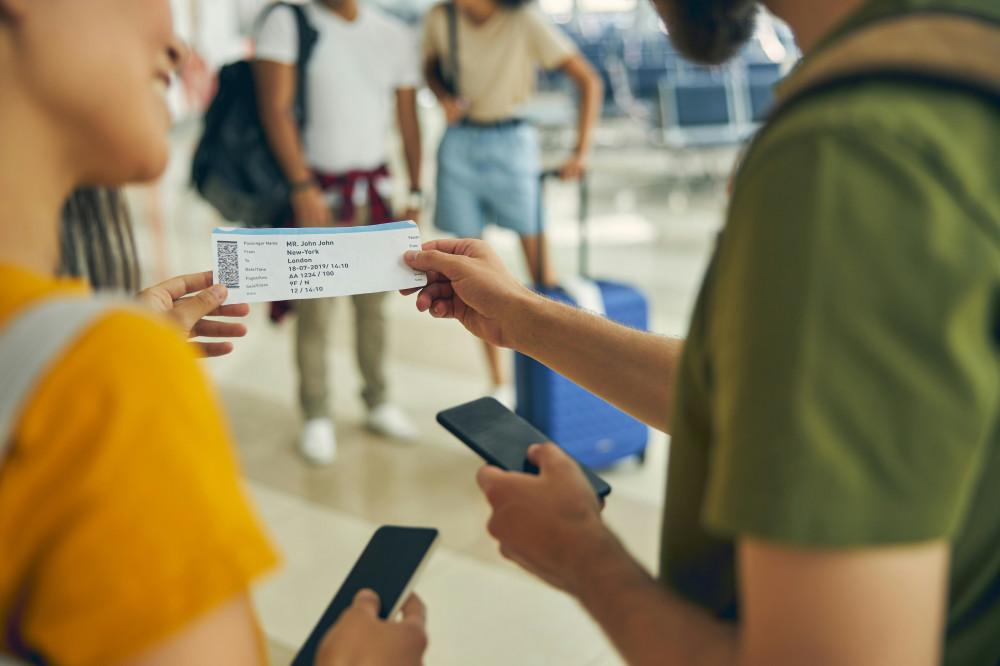
The day before your flight is all about preparation. Check in online, download or print your boarding pass, and charge your phone and power bank. Keep your passport, wallet, and travel documents in one easy-to-reach place.
Double-check your transportation to the airport—especially for early flights. Booking a rideshare or parking spot in advance can save you time and stress.
At the Airport—Arrive Early and Enjoy the Start of Your Journey
Arrive at the airport with plenty of time to spare, especially if you’re checking bags. This gives you a buffer for traffic, security lines, or other delays. Once you’re through security, take a moment to relax—grab a snack, browse the shops, or simply enjoy the anticipation of your trip.
Try to see the airport as part of the experience, not just a hurdle. Slowing down helps you start your journey in a calm, positive mindset.
A Great Trip Begins With Good Planning
Planning a flight isn’t just about finding the cheapest ticket—it’s about creating a smooth, enjoyable experience from start to finish. With a bit of organization, flexibility, and attention to detail, you can turn the process from stressful to seamless.
So next time wanderlust strikes, you’ll be ready to take off with confidence—knowing every detail is under control and all that’s left to do is enjoy the adventure ahead.
Læs også: