Comfort in the Air: How Airlines Are Enhancing the Onboard Travel Experience

Comfort in the Air: How Airlines Are Enhancing the Onboard Travel Experience
For decades, air travel has been synonymous with cramped seats, dry air, and uninspired meals. But as competition among airlines intensifies, the race to win passengers’ loyalty is increasingly being fought on the grounds of comfort. Today, flying isn’t just about getting from point A to point B—it’s about making the journey itself enjoyable. From redesigned cabins and upgraded dining to cutting-edge technology and personalized service, airlines are reimagining what it means to travel comfortably at 35,000 feet.
More Space and Smarter Seating
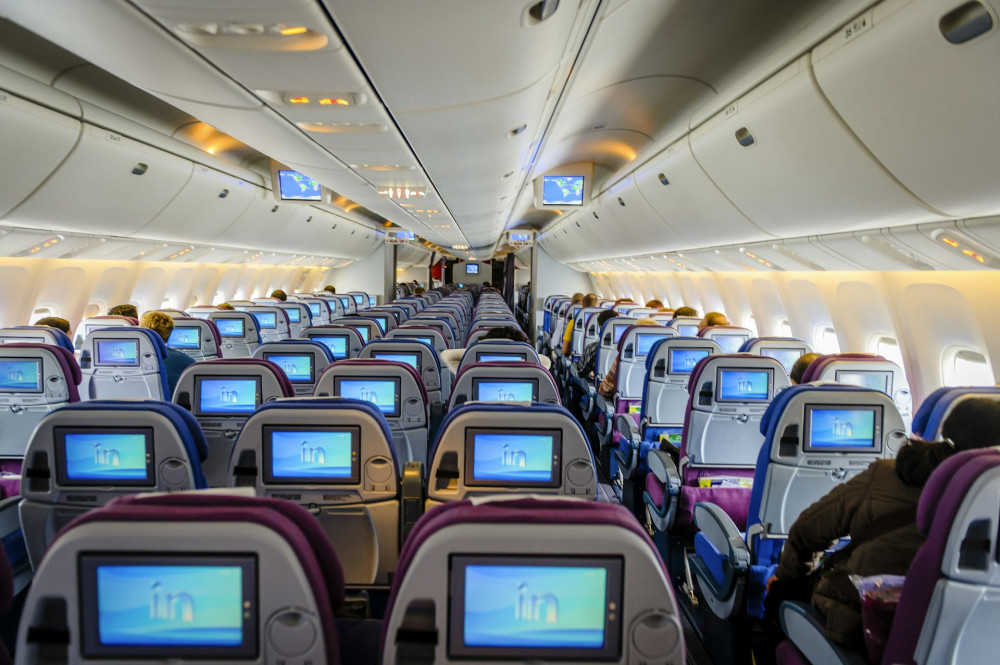
One of the most noticeable improvements is in seat design. Airlines are investing in new cabin layouts that make better use of space and enhance comfort—even in economy class. Seats are becoming lighter yet more ergonomic, with adjustable headrests, improved legroom, and built-in USB ports for charging devices.
In premium economy and business class, the upgrades are even more impressive. Lie-flat seats, privacy screens, and enclosed mini-suites are becoming standard on long-haul routes. For many travelers, the flight itself is now part of the vacation experience rather than just a means to an end.
A Culinary Upgrade at 35,000 Feet
Airline food has long been the punchline of travel jokes, but that reputation is changing fast. Many carriers now collaborate with celebrity chefs and nutrition experts to craft menus that taste great even in the unique conditions of a pressurized cabin, where taste buds are less sensitive.
There’s also a growing emphasis on choice and inclusivity. Vegetarian, vegan, and allergen-friendly meals are widely available, and some airlines highlight regional specialties that reflect the departure or destination city. On longer routes, passengers can often pre-select their meals online, adding a personal touch to the dining experience.
Entertainment and Technology Take Off
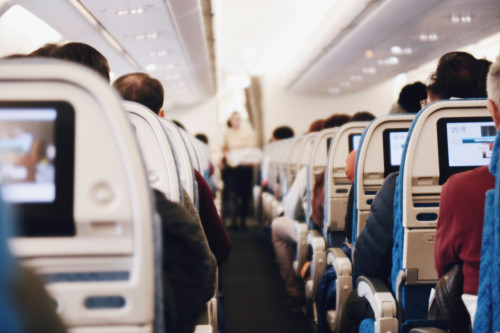
Gone are the days when a single movie played on a shared screen. Today’s in-flight entertainment systems offer hundreds of movies, TV shows, music options, and games on individual touchscreens. Some airlines even allow passengers to stream content directly to their own devices via onboard Wi-Fi.
Connectivity has become a key part of comfort, especially for business travelers. What was once a luxury is now an expectation. Many U.S. airlines, including Delta, JetBlue, and United, are rolling out free or low-cost Wi-Fi, allowing passengers to work, message, or stay connected throughout the flight.
Health and Well-Being in the Cabin
Comfort isn’t just about entertainment and service—it’s also about how passengers feel physically during and after a flight. Newer aircraft like the Boeing 787 Dreamliner and Airbus A350 are designed with lower cabin altitude and higher humidity, reducing fatigue and dehydration. Quieter engines and LED lighting that mimics natural daylight help passengers adjust more easily to new time zones.
Some airlines are also introducing wellness programs onboard, offering guided stretching, meditation, or breathing exercises through the entertainment system. These small touches can make a big difference on long-haul journeys.
Personalized Service with a Human Touch
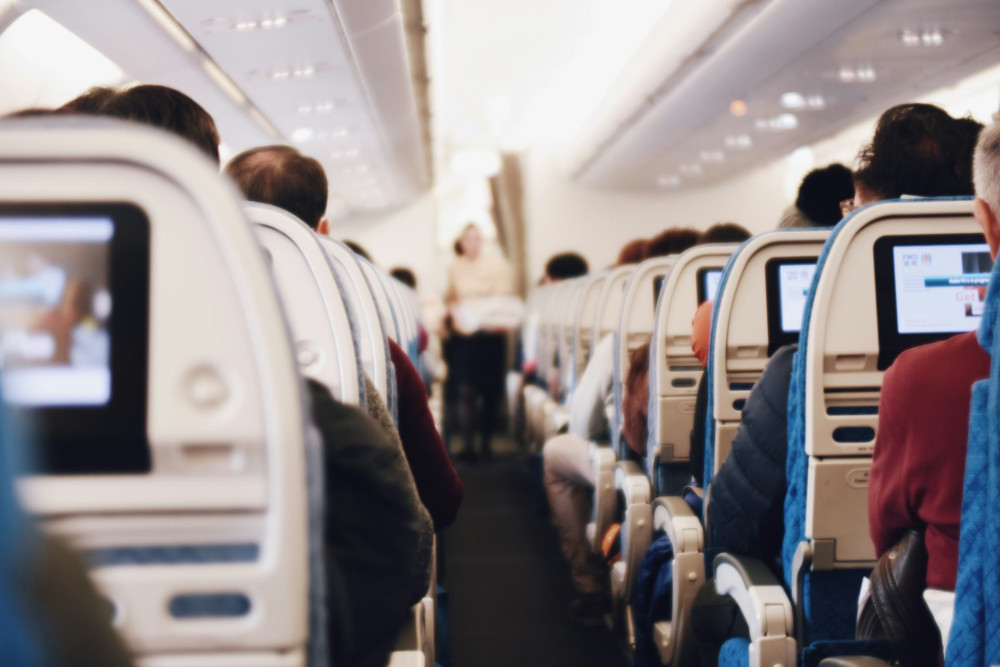
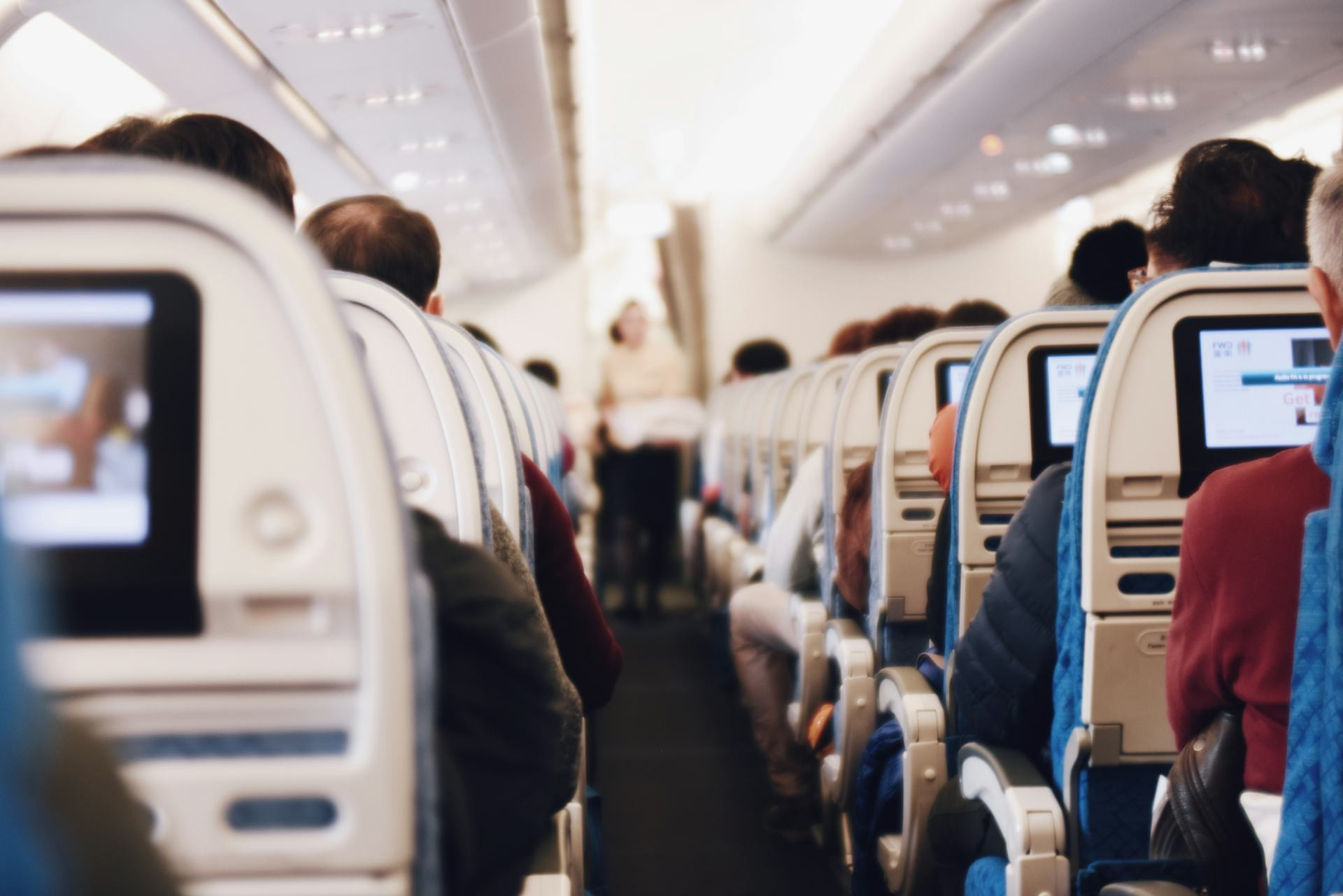
Even the most advanced technology can’t replace genuine hospitality. Airlines are training cabin crews to deliver more personalized, attentive service—remembering passenger names, assisting families with children, or offering tailored recommendations.
Data is also playing a role in personalization. Frequent flyers may find that their preferences—such as meal choices or seat location—are remembered automatically, creating a sense of familiarity and care. It’s a digital form of hospitality that makes the experience feel more human.
The Future of Flying Comfort
The evolution of in-flight comfort is far from over. Sustainability and innovation are shaping the next generation of air travel. Lightweight materials, sustainable aviation fuels, and more efficient engines are helping reduce environmental impact, while new cabin concepts aim to make flying greener and more comfortable.
Some airlines are experimenting with “smart cabins,” where passengers can control lighting, temperature, and entertainment from their smartphones. Others are testing seats with built-in massage functions or sensors that detect when a passenger is asleep and adjust service accordingly.
Læs også:


A New Standard in the Sky
Air travel will always involve certain compromises, but the definition of comfort is changing. What used to be about enduring the journey is now about enjoying it. For airlines, comfort has become a key competitive advantage—and for passengers, it means the skies have never felt more inviting.
Læs også: