Economy, Comfort, or Luxury? How Your Flight Class Shapes Your Travel Experience on Short and Long Routes

Economy, Comfort, or Luxury? How Your Flight Class Shapes Your Travel Experience on Short and Long Routes
When booking a flight, you’re often faced with a familiar question: should you stick with economy, upgrade to premium economy, or go all-in with business or first class? The price difference can be dramatic—but so can the experience. Your choice isn’t just about money; it’s about comfort, travel time, and the purpose of your trip. Here’s how each class can shape your journey, whether you’re flying across the country or across the ocean.
Economy Class – The Practical Choice for Most Travelers
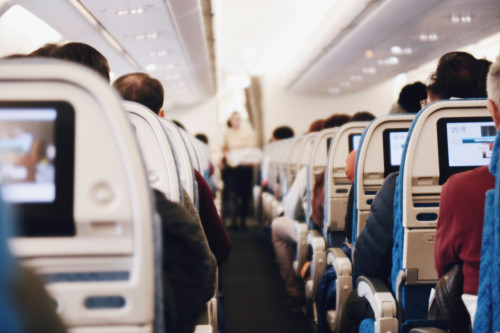
Economy class remains the most common and budget-friendly way to fly. It’s all about getting from point A to point B at a reasonable cost. Seats are compact, legroom is limited, and service is basic—but airlines have made noticeable improvements in recent years.
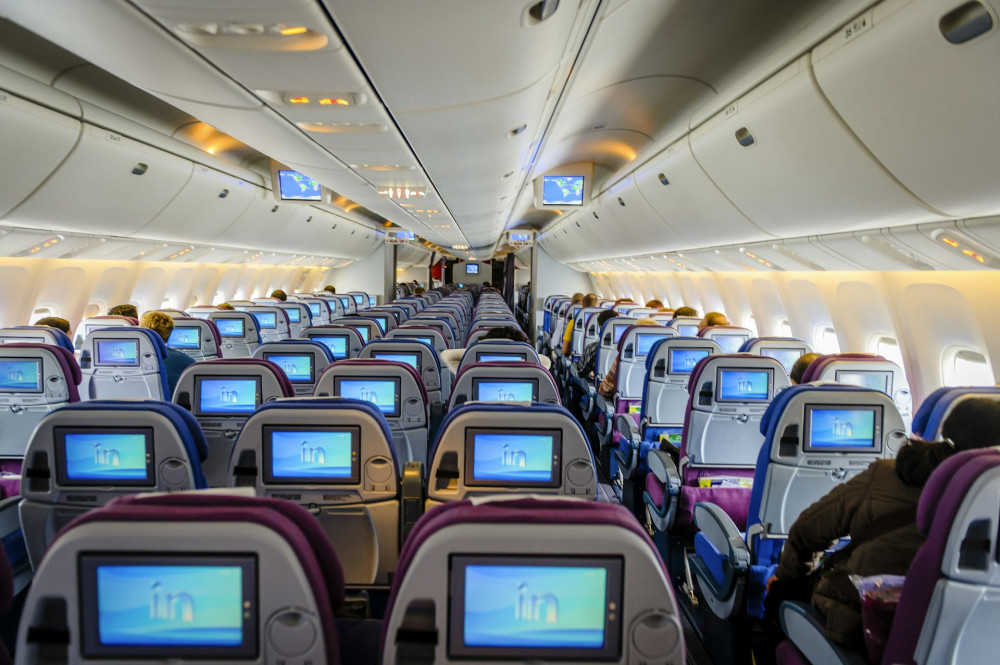
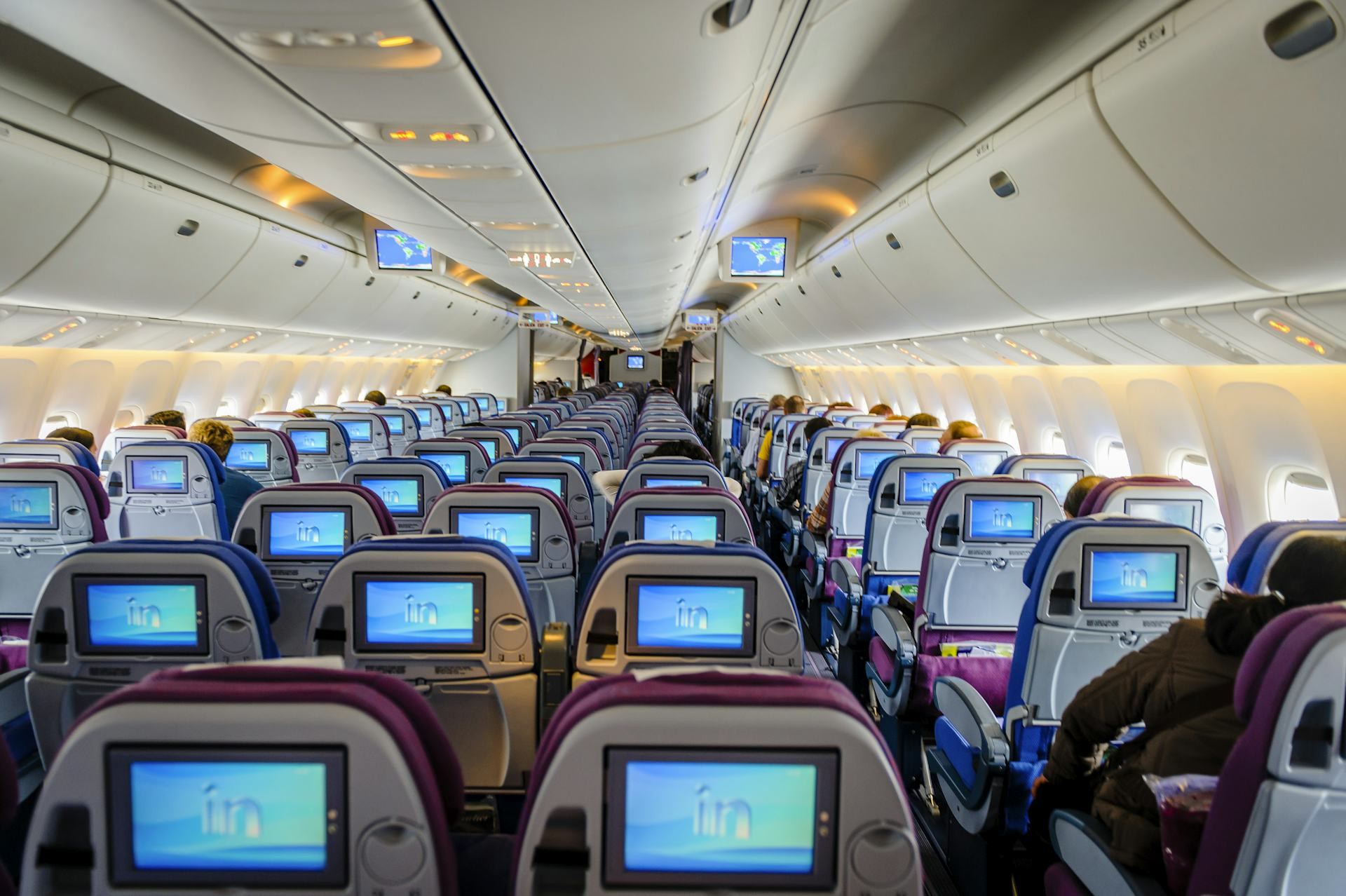
On short domestic routes within the U.S., such as New York to Chicago or Los Angeles to San Francisco, the experience is fairly uniform: standard seats, limited snacks or drinks for purchase, and entertainment via your own device. On longer routes—say, from the U.S. to Europe or Asia—you’ll often find personal screens, complimentary meals, and small amenities like blankets and pillows to make the hours pass more comfortably.
Economy class is ideal if you’re traveling on a budget or if the flight is short enough that comfort isn’t a major concern.
Premium Economy – A Step Up in Space and Service
Premium economy bridges the gap between economy and business class. It’s available on many international routes and select transcontinental flights. You’ll get a bit more legroom, wider seats, and sometimes priority boarding. Meals are often upgraded, and you might even be greeted with a welcome drink.
The difference may look small on paper—perhaps a few extra inches of space—but on a 10-hour flight, it can make a world of difference. Many leisure travelers and business flyers who want extra comfort without paying business-class prices find this option appealing.
On shorter domestic flights, premium economy isn’t always offered, but some airlines sell “extra legroom” or “comfort” seats for a modest fee, giving you a taste of the upgrade.
Læs også:


Business Class – When the Journey Becomes Part of the Destination
For many, business class represents the gold standard of comfort in the air. The experience often begins before takeoff, with access to airport lounges offering food, drinks, and quiet spaces to work or relax. Once onboard, you’ll find wider seats that recline into fully flat beds on long-haul flights, restaurant-style dining, and attentive service.
On short U.S. routes, business class (often called “first class” domestically) is more modest—larger seats, complimentary drinks, and better snacks—but it’s especially popular among frequent flyers who value flexibility and convenience.
On long international routes, the difference is striking. Being able to sleep comfortably, dine well, and arrive refreshed can transform a long flight into a productive or restful experience. For many business travelers, the upgrade pays for itself in energy and efficiency upon arrival.
First Class – The Pinnacle of Air Travel Luxury
First class is for those who want the very best—and are willing to pay for it. Think private suites, gourmet dining, fine wines, and personalized service. Some international airlines even offer enclosed cabins with doors, onboard showers, and dedicated flight attendants.
In the U.S., true first class is rare and mostly limited to international routes. On domestic flights, “first class” typically refers to what’s essentially a premium business seat. But on intercontinental journeys, first class remains the ultimate luxury experience, combining exclusivity, comfort, and prestige.
Short vs. Long Routes – Where the Difference Really Matters
On short flights—under three hours—the difference between classes is often minimal. You’ll barely have time to enjoy the perks before landing. Unless you need flexibility, extra space, or priority boarding, economy usually makes the most sense.
On long-haul flights, however, your choice of class can dramatically affect how you feel when you land. A flat bed in business class can mean arriving rested and ready to go, rather than stiff and sleep-deprived. Many travelers choose to upgrade for overnight or return flights if their budget allows.
Which Class Should You Choose?
Your decision depends on your priorities:
- Budget-conscious travelers: Economy class remains the best value, especially for short trips.
- Comfort seekers: Premium economy offers a great balance between price and comfort.
- Frequent flyers and business travelers: Business class is worth the investment for rest and productivity on long routes.
- Luxury enthusiasts: First class is an experience in itself—exclusive, indulgent, and unforgettable.
No matter which class you choose, you can make your flight more enjoyable with a few small touches: bring a quality neck pillow, noise-canceling headphones, and a good dose of patience. After all, flying isn’t just about reaching your destination—it’s about how you feel along the way.
Læs også: