Music and Dance as a Cultural Encounter – Experience Authentic Traditions on Your Journey

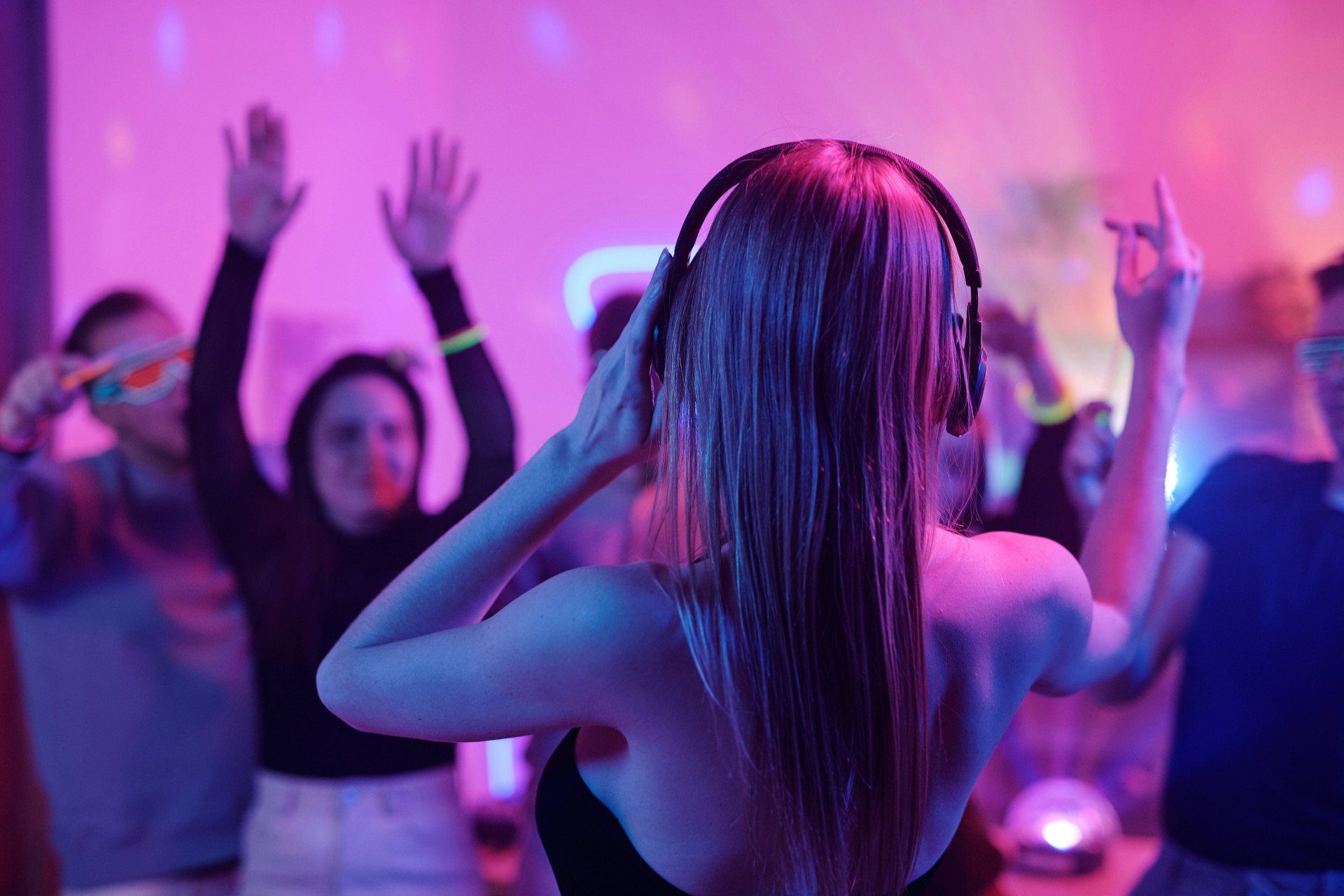
Music and Dance as a Cultural Encounter – Experience Authentic Traditions on Your Journey
When we travel, we often search for what feels real – the moments that let us understand a place from the inside out. Music and dance are among the most immediate ways to experience a culture. They tell stories, express emotions, and connect people across languages and borders. Whether you find yourself at a flamenco night in southern Spain, joining a drum circle in West Africa, or watching a traditional folk dance in Eastern Europe, you become part of a living cultural exchange.
Music as a Mirror of Culture and Identity
Music is more than entertainment – it reflects a people’s history, values, and worldview. In many parts of the world, music accompanies life’s milestones: birth, marriage, harvest, and mourning. Listening to local musicians offers a glimpse into how communities understand themselves and their surroundings.
In Latin America, the rhythms of samba, cumbia, and tango tell stories of colonial encounters and the blending of African, European, and Indigenous traditions. In Ireland and Scotland, folk tunes carry memories of migration, longing, and togetherness. In the Middle East, the intricate melodies of the oud and ney echo centuries of poetry and mysticism.
Attending local concerts, festivals, or small bars where musicians perform live gives you an experience that no recording can match. It’s there you feel the energy, the atmosphere, and the connection between performers and audience.
Dance as a Universal Language
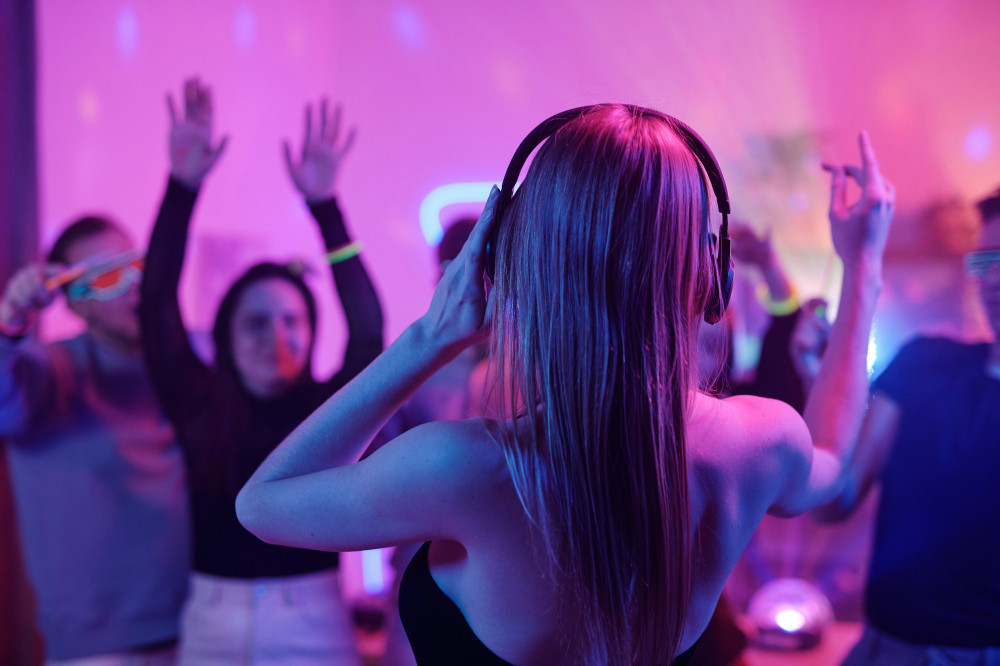
Dance is the body’s way of telling stories. It needs no translation and invites participation. In many cultures, dance is not just a performance but a social event where everyone can join in.
In Cuba and the Caribbean, dance is woven into daily life – from spontaneous salsa on street corners to the colorful parades of carnival. In India, classical dances like bharatanatyam and kathak express both devotion and drama. In Scandinavia, folk dances continue to bring generations together at local celebrations.
When you, as a traveler, take part – even with uncertain steps – you show respect and curiosity. You become not just a spectator but a participant. That’s when the cultural encounter becomes truly authentic.
Læs også:
How to Experience Authentic Music and Dance Traditions
Finding the most genuine experiences often means stepping away from the most touristy areas. Here are a few ways to get closer to local traditions:
- Seek out local festivals – many towns and villages celebrate holidays with music and dance rarely seen outside the region.
- Take a class – a short workshop in flamenco, African drumming, or folk dancing offers insight into both the technique and the culture behind it.
- Support local artists – buy music directly from performers or visit small venues where they play live.
- Be open and engaged – ask permission before taking photos, learn a few steps, and show interest in the stories behind the traditions.
It’s not about mastering the dance or understanding every nuance of the music, but about meeting people through their culture.
When Tradition Meets Modernity
In many countries, music and dance evolve alongside society. Young artists blend traditional rhythms with modern genres like hip-hop, electronic music, or pop. The result is new expressions that honor their roots while looking toward the future.
You can hear this in the rise of Afrobeat, which fuses traditional drumming with contemporary production, or in Nordic folk music, reimagined by young musicians using electronic elements. These encounters between old and new show that culture is not static – it lives and changes with the people who carry it.
Travel with Respect and Curiosity
When you experience music and dance while traveling, do so with respect. Avoid treating traditions as exotic curiosities; see them instead as living expressions of identity and community. Ask questions, listen, and participate with humility – and you’ll gain an experience far deeper than anything found in a guidebook.
Music and dance can build bridges where words fall short. They remind us that, though we come from different places, we share the same rhythm – the heartbeat, the movement, the joy of being together.
Læs også: