From Catalogs to Clicks: How Digital Platforms Have Transformed the Search for Last-Minute Travel Deals

From Catalogs to Clicks: How Digital Platforms Have Transformed the Search for Last-Minute Travel Deals
Just a couple of decades ago, finding a last-minute travel deal was a game of luck, patience, and perfect timing. You’d flip through glossy brochures, call travel agents, and hope that a discounted seat or hotel room would open up at the right moment. Today, that same hunt happens with a few taps on a smartphone. Digital platforms haven’t just made it easier to find cheap getaways—they’ve completely reshaped how Americans plan, compare, and book their vacations.
From Phone Calls to Real-Time Updates
In the 1990s and early 2000s, last-minute travel meant being in the right place at the right time. Airlines and travel agencies would advertise leftover seats in newspaper classifieds or through phone hotlines. Some travelers even lined up at airport ticket counters, hoping to snag a standby fare before the plane filled up.
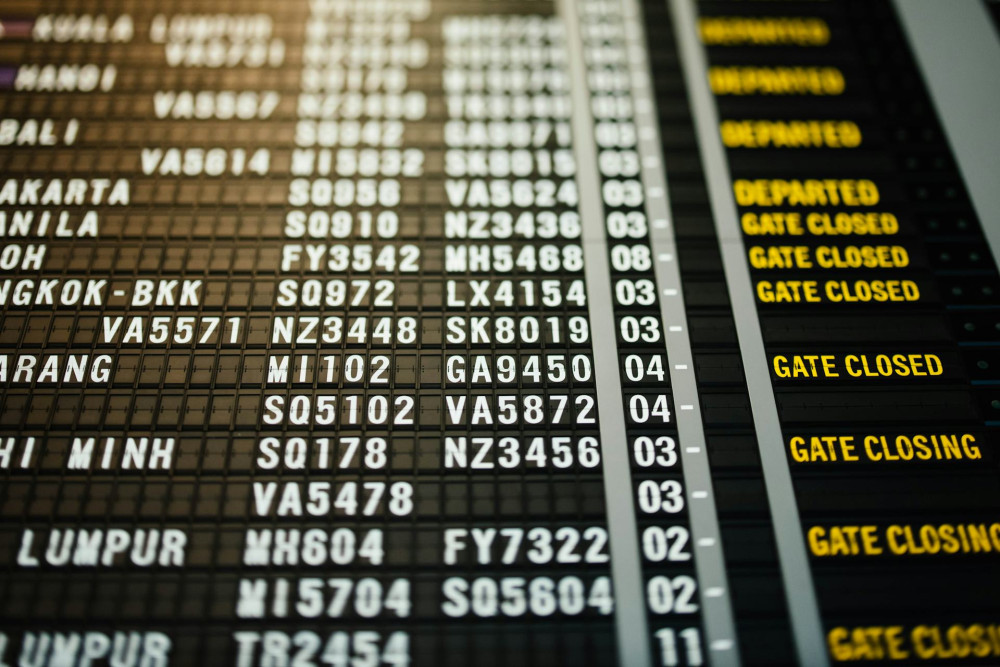
That world has vanished. Now, platforms like Expedia, Kayak, and Google Flights update prices in real time, allowing travelers to watch fares rise and fall by the minute. You can sit on your couch in Chicago or scroll during your lunch break in Dallas and see exactly when a deal hits its lowest point.
Læs også:
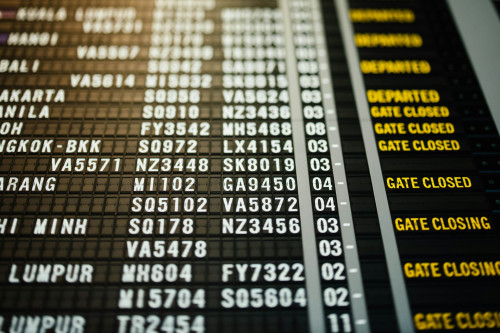



Algorithms Replace Serendipity
What used to be a matter of chance is now driven by data. Digital travel platforms use complex algorithms to analyze demand, seasonality, and seat availability. These systems can predict when prices are likely to drop and push personalized offers to users based on their browsing history and preferences.
For travelers, this means more control and transparency—but also a trade-off. Every search, click, and booking feeds into a data loop that shapes what deals you see next. Two people searching for the same flight might see different prices, depending on their past behavior and even their location.
Social Media as the New Travel Agent
The rise of social media has added a new layer to the hunt for last-minute deals. Facebook groups, Reddit threads, and TikTok travel influencers share flash sales, hidden discounts, and “error fares” in real time. Communities like “Secret Flying” or “The Points Guy” have turned deal-hunting into a collective sport, where users help each other find the best bargains.
This social aspect has made travel planning more interactive and transparent. At the same time, it’s blurred the line between organic recommendations and marketing. Influencers often partner with airlines or booking sites, offering promo codes and limited-time offers that play on the fear of missing out.
The Smartphone: Your 24/7 Travel Agent
The smartphone has turned every traveler into their own agent. Apps from airlines, hotels, and comparison sites send instant alerts when prices drop or when a last-minute room becomes available. With mobile check-in, digital boarding passes, and one-click booking, spontaneity has never been easier.
For many Americans, finding the best deal has become a kind of game—one that rewards quick reflexes and constant vigilance. But the endless stream of notifications can also lead to decision fatigue. With so many options, it’s easy to wonder if the “best deal” is still out there, just one refresh away.
New Habits, New Expectations
Digital innovation hasn’t just changed how we find travel deals—it’s changed how we think about travel itself. Flexibility and spontaneity have become part of the culture. Many travelers now wait until the last minute to book, confident that a good deal will appear. At the same time, price transparency has made consumers more cost-conscious and less loyal to specific brands or agencies.
For the travel industry, this shift has meant fiercer competition but also new opportunities. Some companies now offer dynamic packages that automatically combine flights, hotels, and car rentals based on a user’s budget and preferences. Others focus on personalized experiences, using data to tailor recommendations rather than pushing one-size-fits-all deals.
From Chance to Strategy
Last-minute travel used to be about luck—a few empty seats on a plane or a hotel room that didn’t sell. Today, it’s part of a carefully orchestrated digital strategy, powered by algorithms, analytics, and consumer behavior.
For travelers, this transformation offers more choice and better prices—but also a need for digital savvy. In a marketplace where “limited-time offers” and “exclusive deals” are often driven by marketing tactics, the modern traveler must be both quick and critical. The thrill of the hunt remains—but now, it’s a digital chase.
Læs også: